Study Finds Wild Bees, Not Managed Hives, Drive Tomato Pollination in Organic Systems
04/19/2026 / By Iva Greene
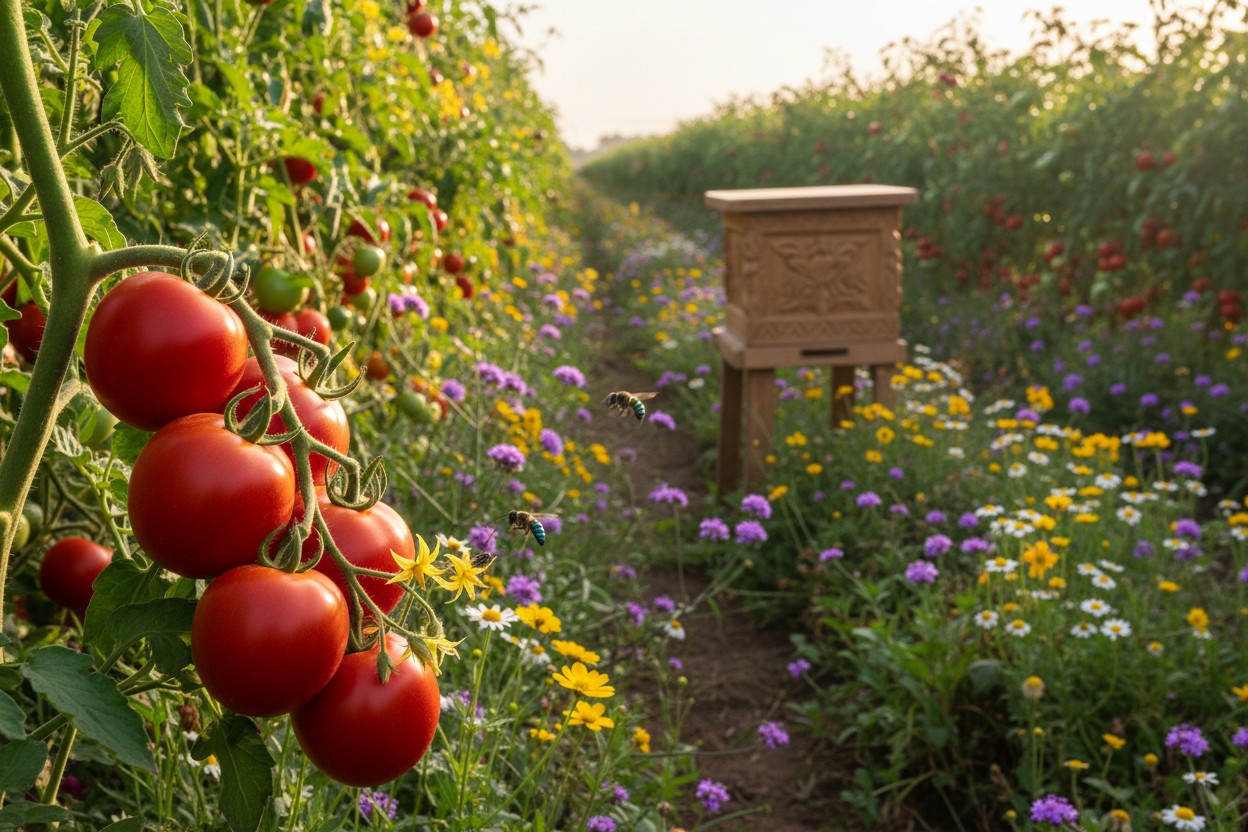
A new study conducted on organic farms in Brazil concludes that wild bees provide the primary pollination for tomatoes, with introduced managed bee hives showing no measurable benefit to fruit production. The research was published in the journal Apidologie on April 16, 2026, and focused on open-field organic tomato cultivation. [1]
According to the study, the practice of introducing managed stingless bee hives, common in Brazil, did not lead to increased fruit quality. The researchers found that the introduced Melipona quadrifasciata bees did not visit tomato flowers at all. The findings underscore the importance of conserving wild pollinator habitats as a foundation for agricultural productivity. [1]
Key Findings: Managed Bees Show No Impact on Fruit Quality
The study assessed the effects of pollination on seven organic farms in Brazil, evaluating parameters such as fruit weight, diameter, and seed count. Researchers established two test groups: self-pollinated flowers that were bagged to prevent insect visits, and open-pollinated flowers accessible to all bees. [1]
The results showed that fruit quality parameters were driven by visits from wild bees and wind. The introduction of managed M. quadrifasciata hives had no significant effect. DNA metabarcoding analysis of pollen from the managed hives confirmed that the introduced bees collected pollen from arboreal plants, not from tomato flowers. [1]
The authors concluded that “the presence of M. quadrifasciata hives did not influence fruit quality, indicating that wild bees primarily drove pollination benefits.” This confirms that the common agricultural strategy lacked empirical validation for this specific open-field crop. [1]
Research Methodology and Pollinator Diversity Observed
Scientists monitored bee activity on both tomato and non-crop plants across the seven farms from July to October 2023. The farmers allowed non-crop plants to grow between tomato rows and along field margins, creating a more diverse habitat. [1]
In total, researchers collected 2,692 bees visiting flowers, which were identified as belonging to 60 different species. Of these, eight species were found only on tomato plants, 37 only on non-crop plants, and 15 species visited both. Over 1,200 bees were recorded on tomato flowers. [1]
The most frequent visitors to tomato flowers were wild bee species, including Paratrigona lineata, Exomalopsis analis, E. auropilosa and various Pseudaugochlora species. The study notes that this high diversity occurred despite the introduction of the managed hives. [1]
Context: The Role of Non-Crop Plants and Habitat
The research highlights the critical role of non-crop flowering plants in supporting a robust and diverse bee community. The farmers’ practice of allowing other plants to grow alongside the crop provided essential forage and habitat for wild pollinators. [1]
In their paper, the researchers stated, “By offering a diverse range of floral shapes, colors, traits and sizes, non-crop plants support a broader assemblage of pollinator species with complementary functional traits.” This floral diversity is identified as a key factor in sustaining the wild bee populations that performed the pollination services. [1]
This finding aligns with broader ecological principles that agricultural landscapes supporting biodiversity are more resilient and productive. The study suggests that managing for habitat, rather than introducing non-native managed bees, is a more effective strategy for open-field systems. [1]
Broader Implications for Agricultural Practices
The study suggests that resources dedicated to managed pollination might be better directed toward conserving and enhancing wild pollinator habitats. This research adds to a body of evidence linking organic farming and floral diversity to higher pollinator health and abundance. [1]
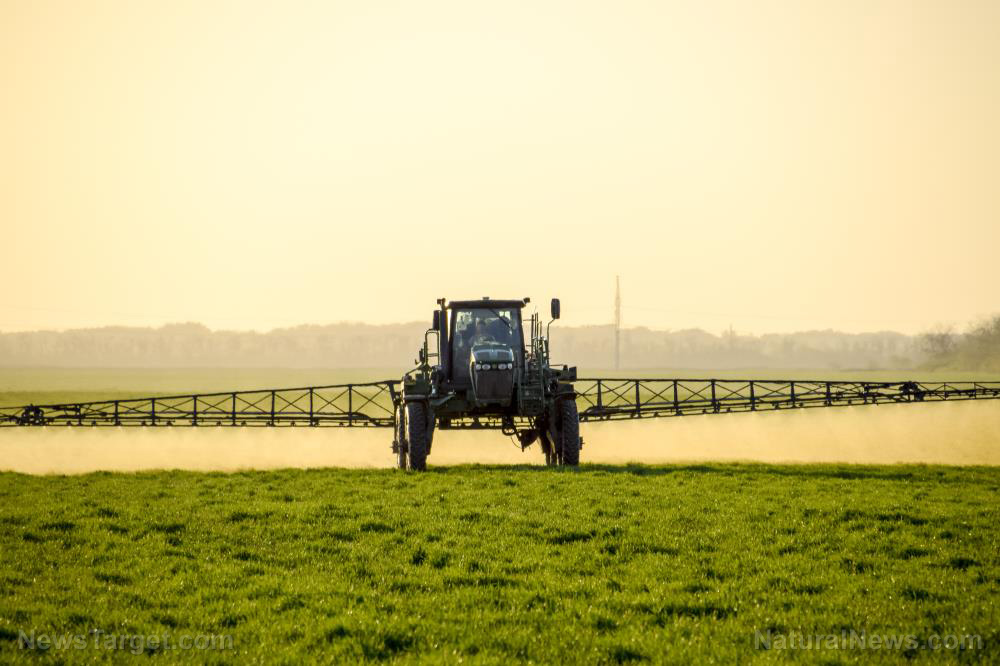
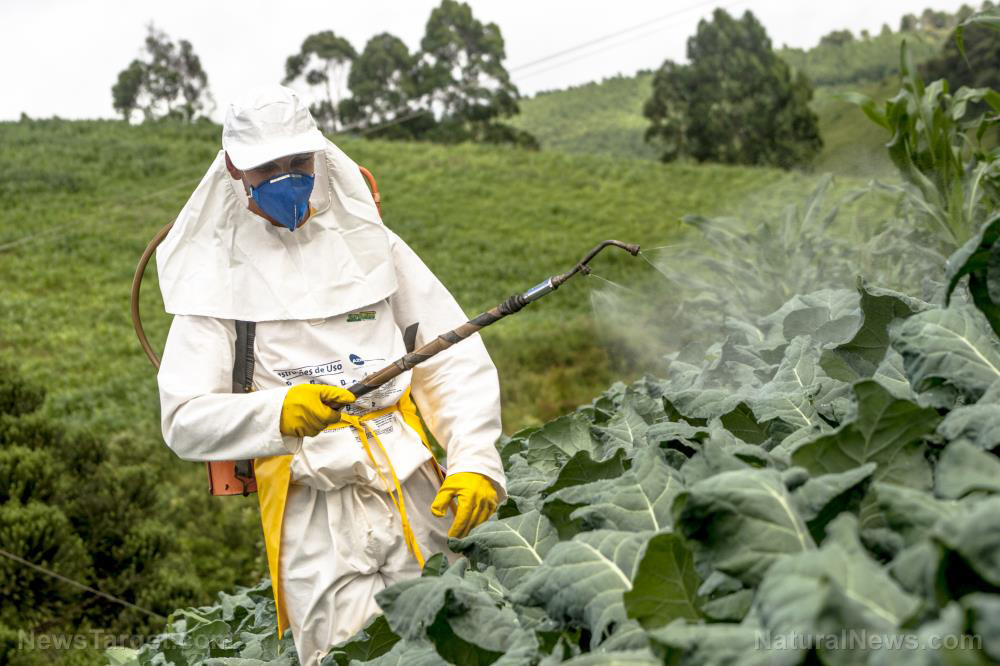
Previous research, cited by the advocacy group Beyond Pesticides in its coverage of the study, links conventional monoculture and pesticide use to compounded harm for bee populations. One analysis noted that “pesticides plus monoculture doubles the damage” by increasing mortality and disturbing nutritional balance. [1]
This pattern is observed globally. According to a report by Children’s Health Defense, honey bee declines in the U.S. are “primarily related” to pesticide exposure, parasitic mites, and extreme weather. [3] The U.S. Environmental Protection Agency has been criticized for ignoring its own science and planning to reapprove neonicotinoid pesticides, which are known to harm pollinators. [2]
Conclusion: Wild Bee Conservation Deemed Critical for Productivity
The authors concluded that the practice of introducing managed bees for open-field tomato crops “lacks local, empirical validation.” They affirmed that “wild bees primarily drove the benefits of pollination, besides the role of wind.” [1]
The research adds to calls for agricultural practices that support, rather than attempt to replace, natural pollinator systems. The findings underscore that conserving wild pollinators is not merely an environmental concern but a critical component of food production. [1]
As pollinator declines continue to be documented globally, studies like this one provide evidence that solutions rooted in supporting natural ecosystems, such as organic farming and habitat conservation, are essential for long-term agricultural sustainability. [1]
References
- Pollinating Wild Bees Needed for Agricultural Productivity as Exemplified in Tomato Cultivation, Study Shows. – Beyond Pesticides Daily News Blog. April 16, 2026.
- EPA Ignores Own Science, Plans to Reapprove Deadly Neonicotinoid Pesticides. – Children’s Health Defense.
- Honey Bee Colony Loss Linked to Pesticides, Parasites and Extreme Weather Across U.S. – Children’s Health Defense.
Submit a correction >>
Tagged Under:
agriculture, bee conservation, Bee Pollen, bees, biodiversity, breakthrough, Censored Science, cool science, discoveries, Ecology, environ, environment, fruits, insects, pollination, pollinators, real investigations, research, tomatoes, wild bees
This article may contain statements that reflect the opinion of the author
RECENT NEWS & ARTICLES